
ADHD Burnout in Adults: Signs, Contributing Factors, and Support Options in Minnesota
Introduction
Many adults with ADHD describe a point when the routines that kept them on track suddenly stop working. Tasks pile up, focus slips, and even simple responsibilities can feel overwhelming. People often call this experience “ADHD burnout” online.
Although the term can be helpful, it is not an official diagnosis and should not replace a professional evaluation. This guide explains the signs people associate with ADHD burnout, what might cause it, how it differs from depression, sleep problems, and work burnout, and what practical support options are available for adults in Minnesota.
What Does ADHD Burnout Mean in Adults?
“ADHD burnout” is an informal term people use to describe the mental, emotional, and physical exhaustion that comes from managing ADHD symptoms and daily life demands.
Some people rely on urgency, perfectionism, long hours, or complicated routines to stay productive. If demands increase or these strategies stop working, it can become much harder to function.
Currently, “ADHD burnout” is not recognized as a separate diagnosis in standard psychiatric manuals, and there is no specific test to confirm it.
This does not mean the experience is unimportant. It just means a clinician should help figure out what the symptoms mean and whether ADHD, depression, anxiety, sleep issues, work stress, or something else is the cause.
Is ADHD Burnout the Same as Occupational Burnout?
No, they are not the same.
According to the World Health Organization, burnout is an occupational condition caused by chronic workplace stress that has not been properly managed. It includes exhaustion, increased mental detachment or cynicism toward one’s work, and decreased professional effectiveness.
The WHO also states that burnout is not regarded as a medical condition and that its definition specifically concerns the occupational context.
The term “ADHD burnout” is used more broadly and can refer to a state of overload in areas such as work, education, parenting, home management, relationships, or the effort needed to compensate for executive function difficulties.
Because of these differences, a healthcare professional may use different terms when describing the main concerns.
Commonly Reported Signs of ADHD-Related Burnout
Possible signs include:
- Feeling both mentally and physically drained
- Being unable to keep up with earlier routines
- Having trouble starting even small tasks
- Feeling more forgetful or failing to carry out responsibilities
- Not knowing how to prioritize when several tasks compete
- Avoiding emails, messages, or administrative tasks
- Becoming more emotionally reactive
- Taking longer to recover from work or social obligations
- Having a sense of detachment regarding one’s work or duties
- Having a lower tolerance for noise or interruptions
- Trying to keep functioning by consuming more caffeine or other substances
- Failing to eat, exercise, take medication, or look after oneself
- Feeling ashamed because tasks that were previously manageable now seem impossible
These symptoms are not specific to any one condition. They may also appear in depression, anxiety, sleep deprivation, chronic stress, and physical illness.
What Could Lead to ADHD Burnout?
ADHD by itself does not cause burnout. Burnout happens when ADHD challenges combine with constant demands and not enough time to recover.
Chronic compensation: An individual may take much more time than others to plan, verify, and finish their duties, even though the effort itself stays unseen.
Crisis-driven productivity: Some adults rely on urgency to focus. Over time, the cycle of procrastinating, working in short bursts, losing sleep, and trying to recover can become exhausting.
Unclear or competing priorities: Trouble with executive function can make it hard to decide which task to do first. This can lead to feeling stuck or constantly switching between tasks.
Frequent interruptions: Notifications, open offices, caregiving, and unexpected demands can keep interrupting your focus. It often takes a lot of effort to get back on track.
Masking or hiding difficulties: Trying to seem consistently organized, calm, or attentive adds another layer of cognitive and emotional effort.
Poor boundaries and overcommitment: An impulsive agreement, trouble judging how much time is required, or a fear of letting others down can cause the workload to exceed what is available.
Inadequate sleep: Working late, going to bed late, and keeping an irregular schedule can worsen problems with attention, memory, and emotions. The National Heart, Lung, and Blood Institute states that sleep deficiency can affect a person’s ability to concentrate, learn, react, make decisions, and control their emotions.
Untreated or undertreated conditions: Managing ADHD symptoms gets harder when anxiety, depression, trauma, chronic pain, hormonal changes, or other health issues are also present.
Is It ADHD, Depression, or Just Temporary Overload?
Because symptoms can overlap, self-diagnosis is not reliable.
| Pattern | Common Context | Features That May Offer a Clue |
|---|---|---|
| ADHD-related overload | Sustained effort to manage attention, organization, and competing demands | Previous coping systems stop working; executive difficulties become more visible |
| Occupational burnout | Chronic workplace stress | Exhaustion, cynicism toward work, and reduced professional effectiveness |
| Depression | Mood disorder that can affect every area of life | Persistent low mood or loss of interest, hopelessness, sleep or appetite changes |
| Poor sleep | Insufficient, irregular, or disrupted sleep | Daytime sleepiness, reduced alertness, and improvement after restorative sleep |
| Temporary stress response | Short-term increase in demands | Symptoms improve when the event or workload resolves |
| Medical concern | Illness, medication effect, or physical change | New symptoms, physical signs, or a clear relationship to treatment or illness |
These categories can occur together. For example, an adult can have ADHD, occupational burnout, depression, and poor sleep at the same time.
When the Pattern May Be Depression
Depression may lead to fatigue, impaired concentration, lower motivation, and difficulty meeting responsibilities. It should be considered when exhaustion is accompanied by:
- A continuous feeling of sadness or emotional numbness
- A lack of interest or pleasure
- Hopelessness
- Feelings of worthlessness
- Significant changes in sleep or appetite
- Withdrawal from relationships
- Worrying about death or suicide
- Reduced functioning in most areas of life
Do not use “ADHD burnout” as an explanation if depression might be involved. A mental health evaluation can help determine whether one or both issues are present.
If you are having suicidal thoughts or if there is an immediate safety issue, please call or text 988 in the United States. In a life-threatening emergency, call 911.
When Poor Sleep May Be Driving the Problem
Even adults who have ADHD may find it hard to keep a regular sleep routine, but sleep disorders themselves can also cause problems with attention and executive function.
Discuss sleep with a healthcare professional if you experience:
- Loud snoring
- Waking up gasping
- Severe daytime sleepiness
- Difficulty falling asleep or staying asleep
- Restless sleep
- An irregular sleep schedule
- Falling asleep when working or driving
- Feeling tired all the time, even though you spend enough time in bed
Trying to be more productive will not fix an untreated sleep disorder. Sometimes, a sleep assessment is more helpful than assuming ADHD is the only cause.
What Adult ADHD Support Options Might Help?
Support should match the different factors causing exhaustion, and no single option works for everyone.
1. Reassess Immediate Demands
Start by figuring out what is essential, what can wait, and what you can delegate. Reducing your demands does not mean giving up on them.
Practical changes might include:
- Pausing nonessential commitments
- Requesting adjusted deadlines
- Dividing a large task into smaller subsequent actions
- Setting a limit on the number of daily priorities
- Using automatic payments or repeated reminders
- Planning recovery time before taking on more work
- Asking household members to take on specific responsibilities
2. Review the ADHD Treatment Plan
According to the National Institute of Mental Health, medication and psychotherapy are among the usual treatments for adult ADHD, and some adults also find coaching, skill development, and lifestyle changes helpful.
A treatment review may examine:
- Whether ADHD symptoms are adequately managed
- The timing, effectiveness, and side effects of medication
- Whether anxiety, depression, or sleep problems are present
- The daily demands that still cause impairment
- Whether therapy, coaching, or accommodations should be provided
Do not change, reduce, or stop your medication without first talking to your prescribing doctor.
3. Consider Psychotherapy
Psychotherapy can help an adult examine patterns such as perfectionism, shame, avoidance, overcommitment, and anxiety-driven productivity.
Therapy may also support:
- Emotional regulation
- Self-advocacy
- Boundary setting
- Recovery from chronic stress
- Coping with late diagnosis
- Managing co-occurring anxiety and depression
The best type of therapy depends on your goals and any other clinical needs you may have.
4. Look Into ADHD or Executive-Function Coaching
Coaching usually involves putting practical skills into practice in daily tasks and can help with planning, prioritization, accountability, and building systems that suit the individual’s environment.
Coaching is not a substitute for diagnosis, therapy, or medical care. Check the coach’s training, what they offer, and how they handle mental health referrals.
5. Ask for Fair Support at Work
Workplace adjustments may be appropriate for some adults who have ADHD. Eligibility depends on the nature of the impairment, the requirements of the job, and the relevant law.
Possible accommodations might include:
- Written instructions
- A reduced-distraction workspace
- Noise-reducing equipment
- Structured check-ins
- Modified scheduling
- Uninterrupted focus periods
- Assistance prioritizing competing assignments
Information on possible ADHD accommodations is available through the Job Accommodation Network. The most suitable arrangement should be determined in conversation with both the employer and the healthcare professional when documentation is needed.
6. Look at Sleep and Recovery
Rest is important, but recovery takes more than just waiting for exhaustion to pass.
Supportive steps may include:
- Keeping to the same wake time
- Protecting adequate sleep opportunity
- Reducing late-night crisis work
- Scheduling meals before hunger becomes severe
- Taking planned breaks instead of waiting for collapse
- Reviewing the use of caffeine, alcohol, and other substances
- Seeking a medical checkup to rule out a sleep disorder
7. Reduce Friction in the Environment
Good systems should not rely on perfect memory; they should make it easier to start a task.
Examples include:
- Keeping frequently used items visible and in a single location
- Using a single main calendar rather than several competing systems
- Preparing repeatable checklists
- Automating recurring responsibilities
- Setting up a specific place for paperwork
- Using timers or body-doubling sessions
- Assigning demanding work to periods when energy levels are higher
- Removing unnecessary notifications
Not every strategy works for everyone. Try making one or two changes before overhauling your whole system.
What About Taking Time Off From Work?
Taking time off can help if you cannot work safely or effectively, but it is not always the right solution for everyone.
A healthcare professional can help assess:
- Symptom severity
- Safety and functioning
- Whether depression, anxiety, or another disorder may be present
- Whether temporary leave or reduced hours would be appropriate
- What workplace documentation is needed
- What support should be provided during the leave
- How a step-by-step recovery could be arranged
Taking time off without changing your workload, treatment, or work environment may only bring short-term relief.
How Long Does ADHD Burnout Last?
There is no scientifically established timeline for “ADHD burnout,” and recovery may depend on:
- How long the overload has been developing
- Whether you can reduce demands
- Sleep quality
- Co-occurring depression or anxiety
- Physical health
- Availability of treatment and workplace support
- Financial and caregiving pressures
- Whether the current ADHD plan is effective
Be cautious of articles that promise recovery in a set number of days or weeks. Instead, look for steady improvements in your energy, daily functioning, and ability to handle normal tasks.
Can Brain Wave Training Help With ADHD Burnout?
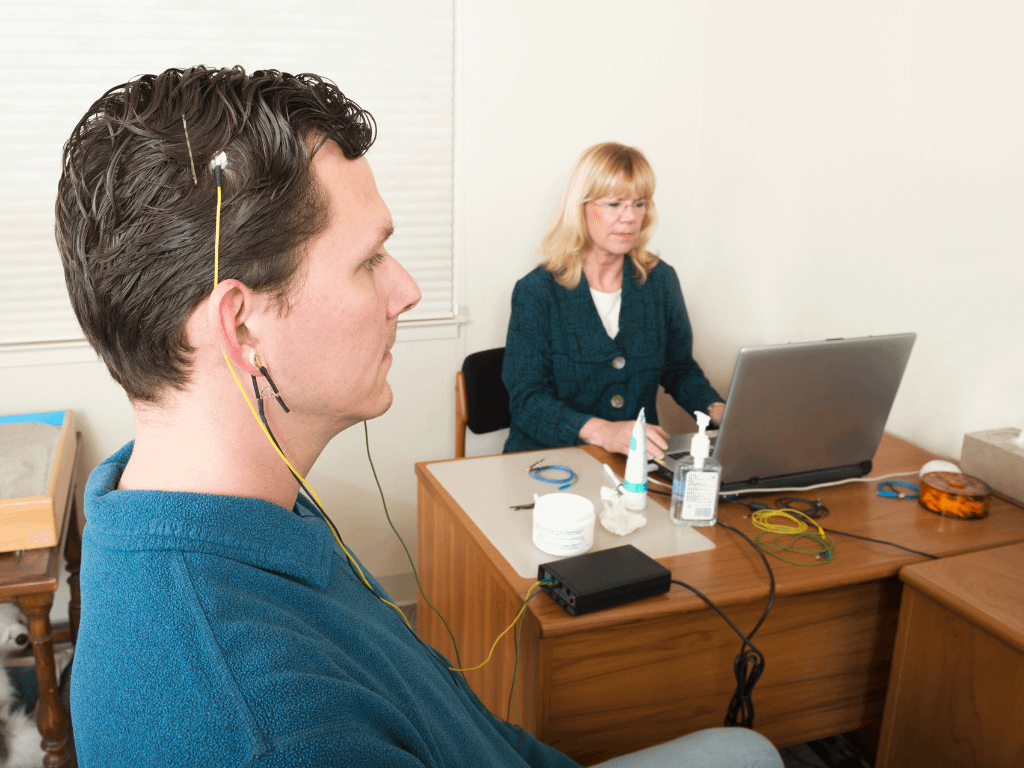
Brain wave training, or neurofeedback, provides feedback based on measured EEG activity. Some adults use it to improve attention or self-regulation.
Neurofeedback is not an established stand-alone treatment for “ADHD burnout,” and no neurofeedback procedure is accepted for diagnosing or curing it. Research into neurofeedback for ADHD has produced inconsistent results, especially when blinded outcomes and control conditions are taken into account.
If you explore brain wave training, it should:
- Follow a proper clinical checkup
- Address a specific, measurable goal
- Be added to your current care, not replace it
- Be monitored by a qualified provider
- Include scheduled progress reviews
- Be discontinued or modified if it is not helpful
Whether or not you use neurofeedback, it is important to address exhaustion, depression, sleep problems, and unsafe workloads.
When Should You Get Professional Help?
Consider an evaluation when:
- Exhaustion persists despite rest
- Work and household functioning have declined considerably
- You cannot keep up with basic routines
- ADHD symptoms are not well managed
- Anxiety or low mood is increasing
- Sleep is severely disrupted
- You are using alcohol or other substances to cope
- You are consistently failing to take medication or eat meals
- Relationships are being affected
- You are unsure whether you have ADHD
- Symptoms started suddenly or involve physical changes
A clinician can help determine whether your symptoms are due to ADHD overload, depression, work burnout, sleep problems, or another health issue.
Adult ADHD Support in Dayton and Nearby Minnesota Communities
Holsoms TMS Mental Wellness Clinic provides care for adults in Dayton and communities throughout Minnesota, including Maple Grove, Rogers, Champlin, Osseo, Brooklyn Park, and the northwest Twin Cities area.
The clinic is located at:
Holsoms TMS Mental Wellness Clinic
13691 Balsam Lane North, Suite C
Dayton, MN
Frequently Asked Questions
Is ADHD burnout a medical diagnosis?
No. “ADHD burnout” is a commonly used description rather than a formal medical diagnosis. People often use it for exhaustion and reduced functioning after prolonged effort to manage ADHD-related demands. Because the symptoms overlap with depression, sleep problems, and other concerns, professional evaluation may be important.
How is ADHD burnout different from depression?
ADHD-related overload may be closely connected to unsustainable demands and the collapse of coping systems. Depression can involve persistent low mood, loss of interest, hopelessness, and changes across most areas of life. The two can occur together, so assess worsening or persistent symptoms rather than self-diagnosing.
Can ADHD medication prevent burnout?
Medication may reduce ADHD symptoms for some adults, but it cannot correct every cause of exhaustion. Workload, sleep, anxiety, depression, caregiving demands, and environmental barriers may still require attention. Review medication effectiveness, timing, and side effects with the prescribing clinician rather than adjusting them independently.
How long does ADHD burnout recovery take?
There is no standard recovery timeline because ADHD burnout is not a formally defined syndrome. Improvement depends on the severity and duration of the overload, sleep, co-occurring conditions, treatment, and whether demands can be changed. Assess recovery by improving function rather than by a promised number of days.
Where can adults find ADHD support in Minnesota?
Adults may seek help from qualified psychiatric, psychological, primary care, or therapy professionals. Holsoms TMS Mental Wellness Clinic is located in Dayton, Minnesota. Before scheduling, ask whether the clinician provides ADHD assessment, medication review, psychotherapy, coaching referrals, and coordination for workplace accommodations.
Take the Next Step
If your usual coping strategies are no longer working, you do not have to push yourself harder.
Schedule a free 15-minute consultation with Holsoms to review your symptoms, current ADHD support, and whether a more comprehensive evaluation or treatment review may help.
Call (763) 297-3035 or use the clinic’s consultation request form.
The goal of a consultation is to identify what is causing your exhaustion and create a support plan, not to diagnose you just because of the term “burnout.”