
What’s Keeping Me from Focusing? Possible Causes Like ADHD, Anxiety, and Poor Sleep in Minnesota
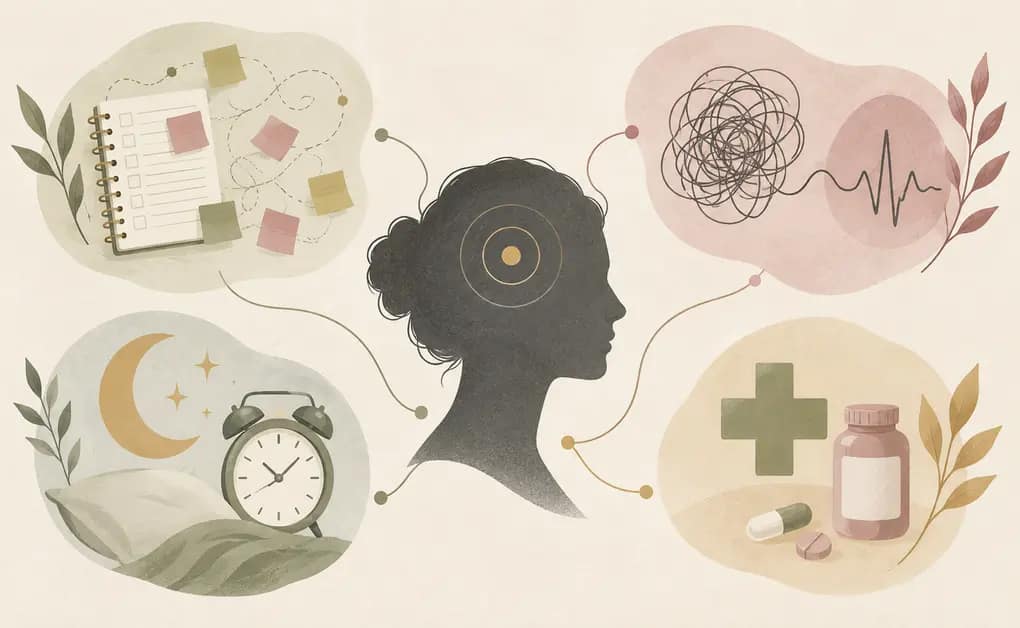
If you keep rereading the same paragraph, miss deadlines, or lose track in conversations, you might wonder, ‘Why can’t I concentrate?’ The answer isn’t always ADHD, and it doesn’t mean you’re not trying.
Trouble concentrating can happen when worry, poor sleep, mood, medication, or health issues pull your attention away. This guide explains common patterns, what to look for, and when to seek help. It can help Minnesota adults decide if they should start with ADHD testing, mental health care, sleep support, or a medical checkup.
What do problems involving concentration appear like?
‘Difficulty focusing’ can mean different things, and it helps to describe your exact pattern when talking to a healthcare professional.
You might experience:
- Beginning tasks but not finishing them.
- Reading over the material without taking in anything from it.
- Losing track of conversations.
- Forgetting instructions or appointments.
- Getting distracted by noises, notifications or thoughts.
- Having difficulty starting tasks that seem boring or complicated.
- Making avoidable mistakes.
- You might feel mentally foggy or like you’re moving more slowly than usual.
- Paying close attention to things you find interesting while ignoring your priorities.
- Feeling so worried that it’s hard to think clearly.
- Feeling sleepy at work, in class, or while driving.
- Having trouble switching from one task to another.
These experiences can overlap, but they don’t always have the same cause.
How Come I Can’t Concentrate? Begin With the Pattern
Before thinking it’s ADHD or something else, ask yourself these four questions:
When was the problem first observed?
ADHD symptoms start during the course of development, even if they are not picked up until adulthood. Concentration difficulties that occur suddenly or have recently appeared may need an alternative explanation.
Where does it happen?
The difficulties associated with ADHD usually affect more than one part of your life. If problems only show up in one job, class, relationship, or during a stressful time, they may be tied to that situation. How do you feel?
You might have trouble concentrating if you feel distracted, worried, sleepy, emotionally numb, or mentally slowed down. Your own experience can give helpful clues, but it isn’t enough for a diagnosis.
What else changed?
Think about any changes in your sleep, mood, medications, health, substance use, workload, hormones, or recent injuries. These details help your clinician figure out possible causes.
ADHD and Concentration Problems
ADHD is one possible reason for ongoing problems with attention and organisation.
The National Institute of Mental Health defines adult ADHD as a continuous pattern of inattention and/or hyperactivity and impulsivity which interferes with functioning in at least two areas of life.
Possible ADHD-related patterns include:
- Chronic difficulty organising responsibilities.
- Frequently losing necessary items.
- Failing to remember one’s appointments and routine tasks.
- Failing to appreciate the amount of time that will be required by various activities.
- Putting off work until it becomes urgent generates sufficient stimulation.
- Getting distracted even when the task is important.
- Interrupting or taking action before thinking.
- Feeling restlessness or having a need for continuous activity.
- Having difficulty in finishing lengthy or repetitive projects.
- Experiencing the same difficulties from childhood. ADHD doesn’t always mean you can’t focus
Some adults with ADHD can focus very well on things that are interesting, urgent, or rewarding. The real issue is managing their attention, not a total lack of it.
Being able to focus on things you enjoy doesn’t rule out ADHD, and it doesn’t prove you have it either.
Adult ADHD doesn’t start suddenly
ADHD is a developmental disorder, so to be diagnosed as an adult, there must be signs that symptoms started before age 12. Sometimes, people miss early symptoms or compensate for them, so a diagnosis can come later. But if attention problems really start in adulthood, things like sleep, anxiety, depression, medications, and health issues should be considered.
Anxiety and Difficulty Concentrating
Anxiety can make it hard to concentrate because your attention keeps going to worries, uncertainty, or possible threats.
The National Institute of Mental Health, in its advice concerning generalised anxiety disorder, lists difficulty in concentrating together with symptoms such as excessive worry, restlessness, irritability, muscle tension, fatigue and sleep problems.
Anxiety-related concentration problems may feel like:
- Instead of finishing the task, you replay possible outcomes.
- Repeatedly checking one’s work out of a fear of making a mistake.
- Being unable to take in information when you are physically tense.
- Skipping a task since it causes uncertainty.
- Failing to concentrate before presentations, meetings or social situations.
- Feeling mentally exhausted as a result of constantly engaging in internal monitoring.
Anxiety and ADHD can happen together. Just because someone has anxiety doesn’t mean they can’t also have ADHD, and not all concentration problems are caused by ADHD.
Poor Sleep and Mental Focus
When your concentration changes, sleep is one of the first things to check.The National Sleep Foundation states that a lack of sleep can affect a person’s ability to learn, concentrate, react, make decisions and control their emotions. Moreover, even if someone stays in bed long enough, disrupted or poor-quality sleep may still affect their performance during the day.
Possible clues include:
- Daytime sleepiness.
- Difficulty getting going in the morning.
- More errors occurring later in the day.
- Heavy reliance on caffeine.
- Irritability or a low tolerance for frustration.
- Falling asleep unintentionally.
- Loud snoring or waking up and gasping.
- Restless or repeatedly interrupted sleep.
- Concentration often gets better after a few nights of good sleep. If you snore, have breathing pauses, feel very sleepy during the day, or doze off while driving, see a doctor. These could signal a sleep disorder, not just a motivation problem.
Depression and Reduced Motivation:
Depression isn’t always just about feeling sad. Some people first notice low energy, less motivation, slower thinking, or trouble making decisions. According to the NIMH, depression can cause problems with concentration, memory, or decision-making, along with fatigue, sleep changes, less interest, hopelessness, or a constant low or irritable mood.
Concentration problems may include:
- Feeling mentally tired and needing more effort to finish tasks you usually find easy.
- Having difficulty in making normal decisions.
- Becoming disinterested in work or in the various activities that had previously seemed meaningful.
- Information is forgotten when attention decreases.
- Pulling oneself away from duties and from relationships.
Focus can get better if the underlying depression is treated. Clinicians should look at the whole pattern, not just focus as a separate symptom.
Chronic Stress and Mental Overload
You don’t need a mental health disorder to feel mentally overloaded.
Caring for others, money worries, work demands, constant notifications, and not enough downtime can all affect your attention. Multitasking might seem productive, but it actually leads to more task-switching and more unfinished work.
Concentration difficulties from stress can improve if you reduce the pressure or improve the situation. But ongoing stress can make anxiety, mood, and sleep worse, making things more complicated. Shorter winter days in Minnesota can affect people who have seasonal affective disorder, a depression that has a seasonal pattern. The NIMH states that seasonal depression can involve low energy, changes in sleep and difficulty with concentration or making decisions.
Feeling less focused in winter doesn’t always mean you have seasonal affective disorder. Consider if the pattern:
- The returns occur in the same season.
- Includes changes in mood, sleep, appetite, or energy.
- Improves in a predictable way when the season changes.
- Interferes with normal responsibilities.
A healthcare professional can tell the difference between a seasonal mood pattern and regular winter tiredness, poor sleep, or another issue.
Medications, Caffeine, Alcohol and Other Substances
Some drugs and substances can affect your concentration, alertness, or sleep.
Possible contributors include:
- Medications for allergies or colds.
- Sleep medications.
- Certain pain medications.
- Some medicines for psychiatric or neurological conditions.
- Cannabis.
- Alcohol.
- Taking stimulants in a different way from how they were prescribed.
- Taking in a high amount or varying amounts of caffeine.
- Leaving caffeine, nicotine or other substances.
Don’t stop taking your prescribed medication just because you’re having trouble concentrating. Talk to your doctor or pharmacist about when your symptoms happen, your doses, and any possible side effects.
Medical and Neurological Causes
Your physical health can affect your ability to concentrate and think clearly. Possible causes include thyroid problems, anaemia, hormone changes, nutrition issues, chronic pain, infections, concussions, and other neurological or metabolic problems.
This doesn’t mean everyone with concentration problems needs lots of tests. Clinicians should consider your medical background, especially if symptoms are new or come with physical changes.
A primary care clinician may review:
- Current and recent medications.
- Sleep and energy.
- When relevant, menstrual, pregnancy or menopausal changes.
- Nutrition and appetite.
- Recent illness or injury.
- Headaches, dizziness, or nervous system problems.
- It is appropriate to carry out a physical examination or laboratory testing.
Comparing Common Causes of Concentration Problems
| Possible contributor | Pattern that may offer a clue | Other features to discuss |
| ADHD | Longstanding difficulty regulating attention across settings | Childhood symptoms, impulsivity, restlessness and chronic disorganization |
| Anxiety | Attention repeatedly pulled toward worry or threat | Tension, reassurance-seeking, avoidance and sleep disruption |
| Poor sleep | Focus worsens with fatigue and may improve after adequate rest | Sleepiness, snoring, irregular schedule or waking unrefreshed |
| Depression | Thinking feels slowed or effortful | Low mood, loss of interest, fatigue, sleep or appetite changes |
| Chronic stress | Problems increase during periods of overload | Too many competing demands and insufficient recovery |
| Medication effects | Symptoms begin or change after starting or adjusting a medication | Sedation, restlessness, sleep changes or altered alertness |
| Substance use | Concentration varies with use, intoxication or withdrawal | Changes in sleep, mood, energy or functioning |
| Medical condition | New symptoms or changes accompanied by physical concerns | Pain, hormonal changes, illness, headaches or neurological signs |
| Concussion | Concentration changes after a head injury | Headache, dizziness, light sensitivity, nausea or balance problems |
These patterns can’t give a diagnosis on their own, since more than one cause can happen at once.
When Should You Consider ADHD Testing?
An ADHD evaluation may be helpful if you have had it since childhood or adolescence. It can happen at work, at home and in other situations. Involves organisation, time management, or impulse control. Continue doing so even if both your mood and your sleep are fairly stable. It requires a great deal of effort or must be supported by extensive compensating systems. This is backed up by reports from the school or by observations made by people who knew you earlier in life. The Centre for Disease Control states that there is no single test available for ADHD, since diagnoses have to involve a number of steps because symptoms similar to those of ADHD can be caused by anxiety, depression, sleep disorders and other issues. What kind of things are covered by an evaluation?
What Does an Evaluation Include?
By running a thorough evaluation, the clinician finds out when the concentration difficulties started, where they occur, and how they affect daily functioning. How they affect daily functioning. When ADHD is in question, the evaluation looks for signs that occurred in childhood, and school records or comments from relatives might help.
The clinician looks to see if worry, a low mood, symptoms related to trauma, or poor sleep might better account for or exacerbate the issue. explain or intensify the problem. The clinician considers current medications, substances, medical conditions, and recent changes. Validated questionnaires can help organise symptom information. They support clinical judgment, but they do not establish a diagnosis on their own.
Some tests include a continuous performance test. This measures how consistent your responses are, your attention, or whether you react impulsively during a structured task. Although a computerised test can provide useful information, it cannot diagnose ADHD on its own or identify all the reasons a person cannot concentrate.
You don’t need a perfect record. A few specific examples are usually more helpful than just saying your focus is “always bad.”
When Concentration Problems Need Prompt Medical Attention
Seek urgent medical care for a sudden change in concentration accompanied by:
- Confusion or disorientation.
- Difficulty speaking.
- Weakness or numbness.
- Severe or unusual headache.
- Loss of balance.
- Fainting or seizure.
- Symptoms that are significant following a head injury.
- Sudden vision changes.
- Inability to stay awake.
Don’t assume these symptoms are caused by ADHD, stress, or poor sleep.
If you experience difficulties concentrating when thinking about suicide or if there is an immediate safety concern, call or text 988 in the United States. If the situation is life-threatening, call 911.
Treatment Depends on the Cause
There’s no one-size-fits-all treatment for concentration problems. The right approach depends on the cause.
Options may include:
- ADHD medication when appropriate.
- Psychotherapy.
- Anxiety or depression treatment.
- Sleep assessment and treatment.
- Medication review.
- Executive-function coaching.
- Workplace or educational accommodations.
- Stress and workload changes.
- The treatment of any underlying medical condition.
- Strategies for practical planning and organisation.
Some adults also try clinician-guided brain wave training. Neurofeedback should not be used to diagnose concentration problems or replace proper ADHD, psychiatric, sleep, or medical evaluations.
Help for Concentration Problems in Dayton, Minnesota
The Holsoms TMS Mental Wellness Clinic provides care for adults in Dayton and in various communities around Minnesota, such as Maple Grove, Rogers, Champlin, Osseo, Brooklyn Park and the northwest part of the Twin Cities area.
The clinic is located at:
Holsoms TMS Mental Wellness Clinic
13691 Balsam Lane North, Suite C
Dayton, MN 55327
A consultation can help you decide if you need an ADHD assessment, a psychiatric evaluation, a referral for sleep or medical issues, or another kind of support.
Frequently Asked Questions
What prevents me from concentrating even though I do want to?
Wanting to concentrate doesn’t always mean you can. ADHD, anxiety, depression, poor sleep, stress, medications, or health issues can all affect focus. Consider when your problems started, where they happen, and what other symptoms you have. If problems last or are serious, get a professional evaluation.
How am I to tell if poor focus is due to ADHD or anxiety?
ADHD usually means a long-term pattern of inattention, and sometimes impulsivity or restlessness, starting in childhood. Anxiety can make you focus on worries, possible threats, or the need to keep checking things. Since both can happen together, it’s better to look at when symptoms started and your developmental history, not just one behaviour.
Can lack of sleep seem like ADHD?
Yes, lack of sleep can affect concentration, memory, reaction time, decision-making, and emotional regulation. Irregular sleep, insomnia, and sleep disorders can look like or worsen ADHD symptoms, so a good evaluation should always check sleep, not just assume it’s a neurodevelopmental disorder.
Is there a test which can explain why I am unable to concentrate?
No single test can find every possible cause. Questionnaires and computer tests can help, but clinicians also look at your developmental history, mood, sleep, medications, substance use, health, and how much your life is affected. All these pieces matter more than any one score.
What should I do to get help with concentration problems in Minnesota?
You can start by seeing a general doctor or a mental health professional. The Holsoms TMS Mental Wellness Clinic in Dayton offers consultations for adults with attention and mental health concerns. Ask what the assessment includes, who interprets the results, if referrals are available, and what your insurance covers.
Take the Next Step
You don’t have to figure out on your own whether your problem is ADHD, anxiety, poor sleep, or something else.
Schedule a free 15-minute consultation with Holsoms to talk about your concentration problems and find the best type of evaluation for you.
Call (763) 297-3035 or use the clinic’s consultation request form.
A consultation doesn’t guarantee a diagnosis. Its goal is to understand your situation, find possible causes, and help you decide on the next step.